Plots & Availability
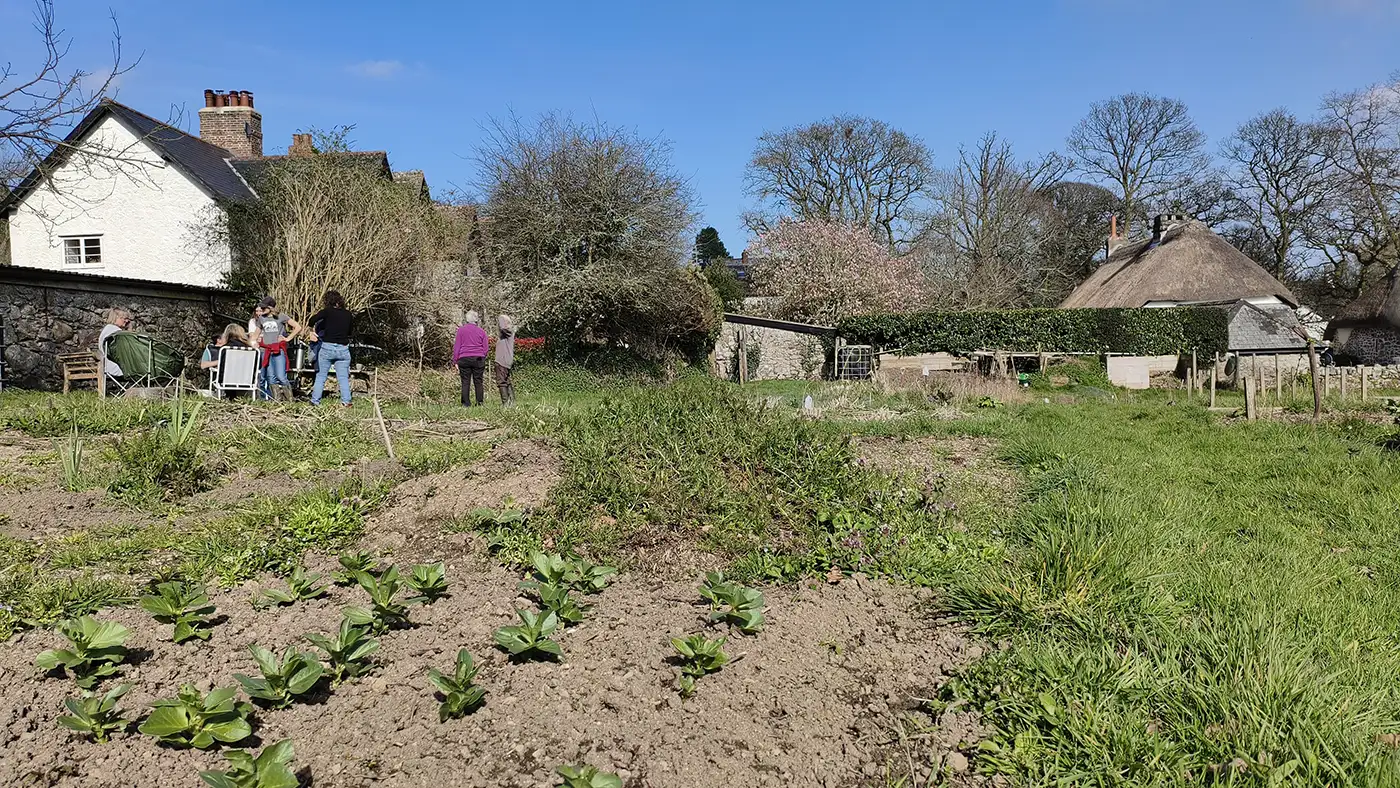
We currently have a distribution of thirteen plots. They run from a single raised bed of a metre or so up to something near nine metres by ten. There are plots free at the moment so let us know if you are interested.
Rent falls due on 26 March. Existing plot holders confirm renewal before any plots are reallocated, so late March is when the site knows what it has free. You can take a plot at any point in the year if one is standing empty, but if you want the full picture, ask in March.
Why it costs what it costs
Everything on the site is shared. Water, compost, manure: no plot has its own butt or its own bay, and this year that is a deliberate decision rather than an oversight. North Bovey runs partly as a community garden rather than purely as a set of private plots, which is why the rate sits about where comparable allotments round here sit while rather more is held in common.
What you get
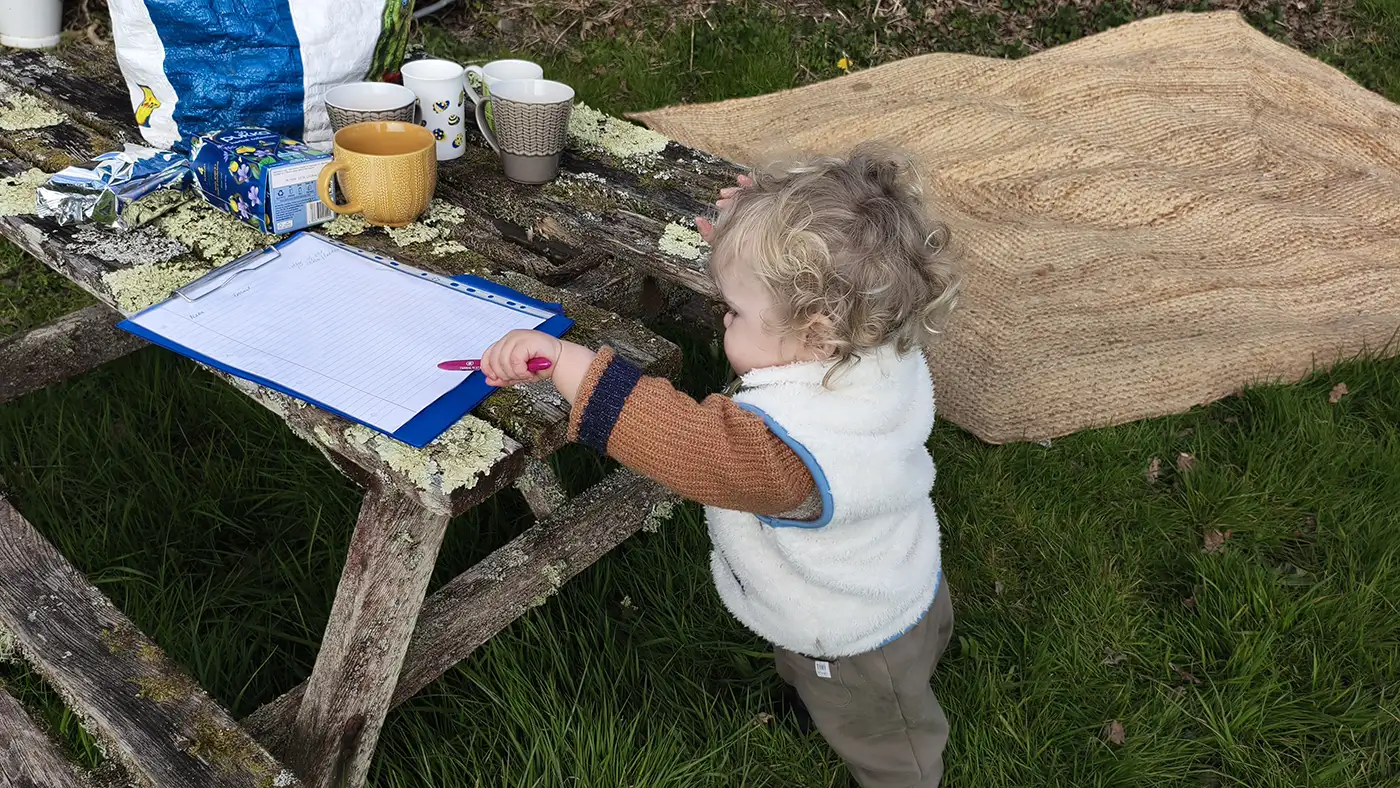
A plot, whatever is standing on it, and a share of the site. Shared water. Compost and manure bays. A shed. A picnic table. Advice from whoever is up there when you are, which in practice is the most valuable item on this list.
On water, plainly: it is shared and it is not mains. Six thousand-litre butts stand around the boundary, spread out rather than clustered to utilise places where rain water falls, so there is usually one within carrying distance of wherever you are working. No butt belongs to any plot. The same goes for the compost and manure bays. This year everything on the site is held in common and you use what you need.
The houses adjoining the allotments have their own supply. Everything else is stored rainwater and what you carry. It has not held anybody back and we are not spending money to change it, but it is worth knowing before you plan a thirsty crop.
What we ask
Work it, more or less. There is no rule about how tidy a plot has to be and no inspection regime, because the site is small enough that everyone can see how everyone else is getting on and that turns out to be sufficient. If a plot goes untouched for a full season we will have a conversation about it, because somebody else is waiting.
Beyond that there are a handful of things we ask of each other, and they are principles rather than rules:
- Fires kept under control, and probably confined to an organised clearing once a year rather than whenever the mood takes somebody.
- No plastic left on site.
- If you give up a plot, everything you brought goes with you.
- Chemicals used carefully, or better, hardly at all.
- Dogs under control.
- The plots are people's own. Share the space, and leave what is growing on somebody else's ground where it is.
These will change as we find out what actually matters here. That is intended.
Coming this season
A pond is going in, and there are hedgehog houses. Neither takes anything away from the growing ground. Nothing is settled about where they go, so if you have a view, now is when it counts.
Plots nobody is using yet
A vacant plot left untouched gets harder to let every season, which is how this site went quiet the last time. So rather than leave a gap in the middle of the field, we plant it. Potatoes, which break up ground that has gone hard and give a shared harvest at the end of it. Green manure. Pumpkins and other things that spread, cover ground and do not ask much. If you take on a plot that has had a season of potatoes in it, you are getting it in better condition than the last person left it. That is the idea.
Come and see them
Reading sizes off a table tells you very little. You are welcome to walk the site whenever you like, and we will show you round if you ask. Half an hour up there is worth more than this whole page.
Starting with one bed
Raised beds may be the best way to start for some people. One bed is enough to grow more salad than a household can eat, it takes an hour a week rather than a day, and it costs the bottom rate. A good number of people who now hold a full plot started this way. If you are not sure, start here.
The 2026 layout
| Plot | Size | Notes |
|---|---|---|
| A | 4.5 m² | |
| B | 4.5 m² | |
| C | 11 × 4 m | |
| D | 9 × 10 m | Largest plot |
| E | 10 m² | |
| F | Dahlias, planted for pollinators | |
| G | 3.5 × 8 m | |
| H | 2.5 × 8 m | |
| I | ||
| J | 10.5 × 4 m | |
| K | 6 × 5 m | |
| L | 6 × 3.5 m | |
| M | 6 × 1 m² | Raised beds, the usual way in |